




Hang Thay Vietnam is a fascinating limestone cave in Quang Ninh Province, offering a glimpse into the geological beauty of northern Vietnam’s coastal landscape. Also known as Thay Cave or Master Cave, this lesser-known natural landmark is distinguished by its spacious interior, remarkable stalactites, and scenic surroundings.
While many travelers are familiar with the celebrated caves of Ha Long Bay, Hang Thay remains less prominent in international travel guides. Its location near the eastern limestone seascape connecting Ha Long Bay and Bai Tu Long Bay makes it an interesting subject for travelers researching the region’s natural heritage.
From ancient rock formations to the quiet coastal scenery surrounding its entrance, Hang Thay reveals another dimension of Vietnam’s extraordinary limestone landscape.
This guide explores the cave’s location, geological features, natural surroundings, and practical considerations for travelers interested in learning more about this remarkable site.
1. Where Is Hang Thay Vietnam?
Hang Thay is located in Quang Ninh Province, northeastern Vietnam, within the limestone island landscape of Ha Long Bay.
According to the Ha Long Bay tourism information portal, the cave lies approximately 23 kilometers from Tuan Chau International Marina and 18 kilometers from Ha Long International Passenger Port.
The cave is associated with the eastern section of Ha Long Bay, near the Cong Do area and the routes connecting Ha Long Bay with neighboring Bai Tu Long Bay.
Although some travel guides describe Hang Thay Viet Nam as a destination within the broader Bai Tu Long cruising region, provincial tourism information identifies the cave as part of the Ha Long Bay area.
This distinction matters because the two neighboring bays have separate sightseeing routes and management arrangements.
For travelers researching the destination, Hang Thay is best understood as a natural landmark within the wider Ha Long–Bai Tu Long limestone seascape.
2. What Makes Hang Thay Cave Special?
Unlike some of the region’s most famous caves, Hang Thay is known for its relatively low profile and distinctive natural features.
A Spacious Limestone Interior
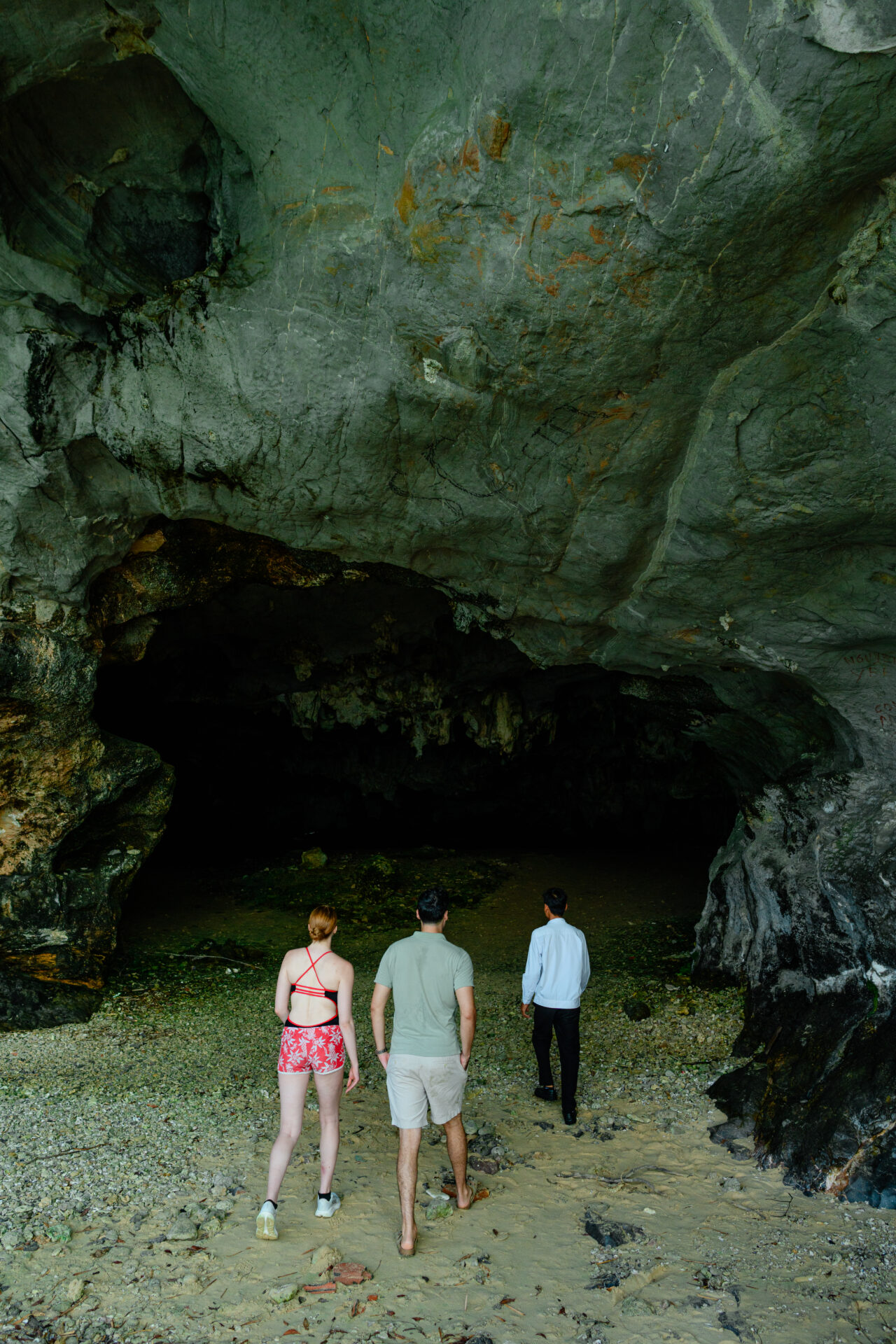
The cave covers an area of approximately 2,500 square meters, according to published tourism information.
Its interior contains natural limestone formations, including stalactites and stalagmites shaped through long-term geological processes.
These formations create an intricate environment of mineral textures, unusual shapes, and natural rock structures.
The cave’s spacious interior demonstrates the remarkable processes that have shaped the limestone islands of northern Vietnam.
Remarkable Stalactites and Stalagmites
One of the defining features of Hang Thay is its system of natural mineral formations.
Stalactites develop as mineral-rich water deposits calcium carbonate from cave ceilings over long periods.
Stalagmites form when mineral deposits accumulate on the cave floor.
Together, these formations can create columns, irregular sculptures, and extraordinary natural patterns.
At Hang Thay, the diversity of these structures contributes to the cave’s distinctive geological character.
A Natural Setting Beyond the Cave Entrance
The surroundings of Hang Thay are another important part of its appeal.
Tourism descriptions identify a sandy beach approximately 70 meters long near the cave entrance.
The combination of limestone cliffs, coastal vegetation, and surrounding waters creates a picturesque natural environment.
However, the presence of a beach does not necessarily mean swimming or recreational access is currently permitted.
Visitors should always confirm local regulations and operational conditions before planning any activities.
3. Hang Thay Vietnam: Understanding Its Limestone Geology
The geological features of Hang Thay provide an opportunity to understand the natural processes responsible for the spectacular limestone landscapes of northern Vietnam.
The Formation of Limestone Caves
Limestone caves develop through a combination of geological processes, including sedimentation, tectonic activity, and the gradual dissolution of limestone by water.
Over immense periods of time, water moving through natural fractures can enlarge openings within the rock.
These openings may eventually develop into chambers and cave systems.

The limestone formations of the Ha Long–Bai Tu Long region are part of a much larger geological history involving ancient marine environments and changing sea levels.
How Cave Formations Develop
The stalactites and stalagmites found in limestone caves are created through slow mineral deposition.
Water carrying dissolved calcium carbonate enters the cave through cracks and openings.
As the water drips and releases dissolved carbon dioxide, small quantities of mineral material may remain behind.
Over long periods, these deposits gradually form the distinctive shapes visible inside many limestone caves.
Their development is extremely slow, which makes them valuable natural features requiring careful protection.
The Importance of Geological Conservation
Cave environments can be sensitive to human activity.
Touching mineral formations, leaving waste, or disturbing natural habitats may damage features that have developed over thousands of years.
Responsible management is essential to preserving both the scientific value and natural beauty of limestone caves.
Hang Thay illustrates why geological landmarks should be appreciated not only as tourist attractions but also as part of Vietnam’s natural heritage.
4. Exploring the Landscape Around Hang Thay
The natural scenery surrounding Hang Thay reflects the wider beauty of Quang Ninh’s limestone islands.
Dramatic Limestone Cliffs
The cave lies within a landscape characterized by steep limestone formations rising above coastal waters.
These formations create a striking contrast between the rugged rock surfaces and the surrounding sea.
Weathering and erosion have produced a variety of shapes, textures, and natural passages throughout the region.
Coastal Scenery and Natural Beaches
The sandy beach near Hang Thay adds another dimension to the landscape.
Small beaches surrounded by limestone cliffs are characteristic of parts of Ha Long Bay and neighboring Bai Tu Long Bay.

Their sheltered settings can create visually beautiful coastal environments.
However, recreational use depends on the designated tourism route, local regulations, and environmental protection requirements.
A Different Perspective on Northern Vietnam
Many travelers associate northern Vietnam with mountain scenery, rice terraces, and historic cities.
The limestone islands of Quang Ninh offer another perspective.
Here, geological formations, coastal ecosystems, and maritime heritage come together to create a distinctive natural environment.
Hang Thay is one example of the geological diversity found within this remarkable region.
5. Hang Thay Bai Tu Long Bay and the Region’s Cave Heritage
The caves of Ha Long Bay and Bai Tu Long Bay are among the most fascinating natural features of northeastern Vietnam.
Although they share similar geological origins, individual caves differ in their structure, accessibility, and natural characteristics.
The Diversity of Limestone Caves
Some caves contain extensive chambers decorated with stalactites and stalagmites.
Others feature narrow passages, natural openings, or connections with surrounding waterways.
These differences reflect the complex geological history of the region.
Hang Thay contributes to this diversity through its spacious interior and distinctive mineral formations.
Famous and Lesser-Known Cave Sites
Well-known destinations such as Sung Sot Cave and Thien Cung Cave attract travelers interested in spectacular limestone interiors.
Other caves, including Hang Thay, are less familiar to international audiences.
Learning about these lesser-known formations provides a broader understanding of the region’s natural heritage.
However, a cave’s appearance in a travel guide should not be interpreted as confirmation that it is open to visitors.
Why Lesser-Known Sites Matter
The scientific and environmental significance of a natural landmark does not depend on its popularity.
Less-visited caves may preserve geological features and habitats that deserve careful study and protection.
Introducing these sites through responsible destination information can encourage appreciation without promoting unrestricted access.

6. Bai Tu Long Bay Cave Exploration: What Travelers Should Know
Travelers interested in Bai Tu Long Bay cave exploration should understand that access to individual caves varies considerably.
Some locations are included in authorized sightseeing routes, while others may have restricted access or limited tourism infrastructure.
Not Every Cave Is Open to Visitors
A cave may be identified as a tourism resource without being available for regular public visits.
Access can depend on safety assessments, conservation requirements, infrastructure, and official authorization.
Travelers should not assume that an advertised sightseeing route guarantees entry into every cave mentioned along it.
Safety Comes First
Cave exploration may involve uneven surfaces, slippery rocks, steps, and changes in lighting.
Where access is officially permitted, visitors should follow the instructions of licensed guides and relevant authorities.
Appropriate footwear and respect for safety barriers are essential.
Independent exploration of unapproved cave areas is not recommended.
Weather and Marine Conditions
Because many caves in the region are accessible primarily by boat, weather conditions can influence travel arrangements.
Strong winds, storms, and changing marine conditions may affect departures or access.
Travelers should check current conditions and official guidance before making plans.
7. Can Travelers Visit Hang Thay Cave?
Hang Thay is identified in tourism information as a natural attraction associated with the eastern Ha Long Bay sightseeing area.
However, its inclusion in route descriptions does not establish that regular visitor entry is currently available.
Before planning a visit, travelers should verify whether the cave is open, whether landing is permitted, and which licensed operators are authorized to access the location.
The official Ha Long Bay tourism information portal provides background information about the cave and its natural features.
For further reference, readers can consult Ha Long Bay Tourism – Thay Cave.
Is Hang Thay Part of the Emperor Cruises Itinerary?
Hang Thay is not a scheduled destination on Emperor Cruises Legacy Halong itineraries.
This article is provided as a general destination reference about the natural and geological heritage of northern Vietnam.
It does not describe an excursion, cave visit, or onboard activity offered by Emperor Cruises.
Travelers booking a cruise should consult the operator’s current published itinerary for confirmed sightseeing locations.
8. Best Time to Explore the Ha Long–Bai Tu Long Region
Seasonal weather affects travel throughout Quang Ninh Province.
March to May: Mild Spring Conditions
Spring often brings comfortable temperatures for sightseeing and outdoor activities.
Occasional mist can create atmospheric views of the limestone islands.
June to August: Warm Summer Weather
Summer is characterized by warmer temperatures and opportunities for coastal activities.
However, heavy rainfall and tropical storms may disrupt marine tourism.
September to November: Pleasant Autumn Scenery
Autumn is often attractive for sightseeing because temperatures become more comfortable.
Travel conditions still depend on the weather and official marine safety guidance.
December to February: Cooler Coastal Landscapes
Winter brings cooler temperatures and occasional mist.
The scenery can be especially atmospheric, although outdoor conditions may feel less comfortable for some travelers.
Travel note: Seasonal suitability does not guarantee access to Hang Thay. Visitors must confirm whether the location is officially open before making arrangements.
9. Protecting the Natural Heritage of Hang Thay
Natural caves are valuable environments that require careful protection.
Their mineral formations, geological structures, and surrounding ecosystems contribute to the wider heritage of northern Vietnam.
Respecting Geological Formations
Stalactites and stalagmites develop over very long periods.
Even small disturbances can affect their appearance or natural development.
Visitors to any permitted cave should avoid touching formations, removing natural materials, or leaving waste.
Supporting Responsible Tourism
Responsible tourism encourages appreciation of natural landscapes while minimizing environmental impacts.
This includes following designated routes, respecting conservation rules, and avoiding activities that may disturb sensitive habitats.
Understanding the Value of Preservation
Protecting lesser-known sites is especially important because their natural characteristics may be vulnerable to unmanaged tourism.
By learning about Hang Thay through reliable destination information, travelers can develop a deeper appreciation of Vietnam’s geological heritage without assuming that every natural landmark must be physically explored.
Frequently Asked Questions About Hang Thay Vietnam
Where is Hang Thay located?
Hang Thay is located in Quang Ninh Province, within the eastern Ha Long Bay limestone landscape near the area connecting with Bai Tu Long Bay.
What is Hang Thay famous for?
The cave is known for its spacious limestone interior, natural stalactites and stalagmites, and a sandy beach near its entrance.
How large is Hang Thay Cave?
Published tourism information describes the cave as covering approximately 2,500 square meters.
Is Hang Thay part of Bai Tu Long Bay?
Hang Thay is sometimes associated with Bai Tu Long Bay in travel guides. However, provincial tourism information places it within the Ha Long Bay area, near routes connecting the two bays.
Can tourists enter Hang Thay Cave?
Current public access should be verified with the relevant tourism authorities or licensed operators. Inclusion in a sightseeing route does not necessarily guarantee entry.
Is Hang Thay suitable for independent exploration?
Independent exploration is not recommended without official permission, appropriate safety arrangements, and guidance from authorized operators.
Does Emperor Cruises Legacy Halong visit Hang Thay?
No. Hang Thay is not a scheduled stop on the published Emperor Cruises Legacy Halong itinerary. This article is intended for general destination information only.
Conclusion: Discovering the Natural Heritage of Hang Thay
Hang Thay Vietnam offers a fascinating perspective on the limestone geology and natural beauty of northeastern Vietnam.
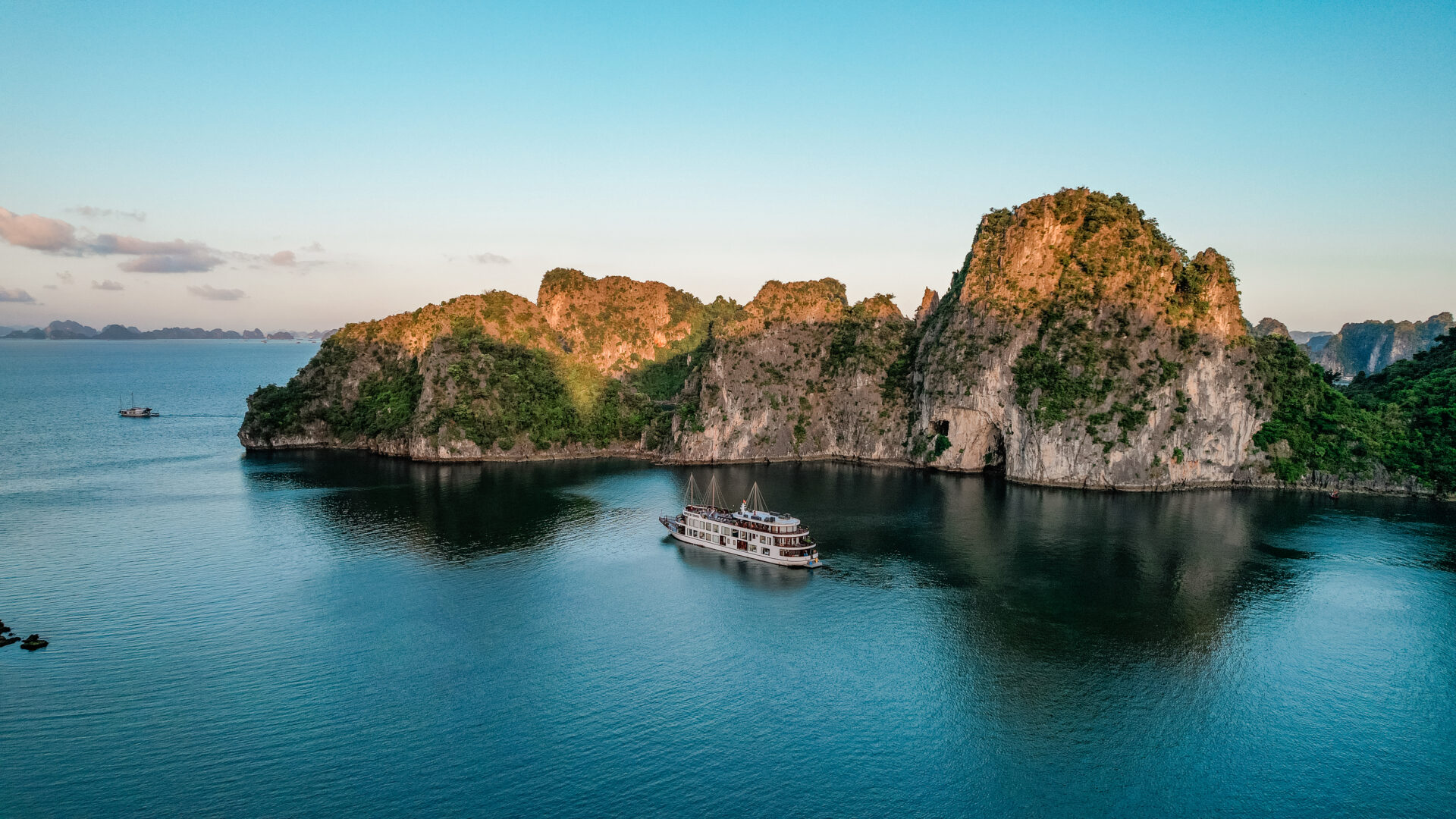
Its spacious cave interior, remarkable mineral formations, and scenic coastal surroundings illustrate the diversity of landscapes found throughout the Ha Long–Bai Tu Long region.
Beyond its visual appeal, Hang Thay represents an important reminder of the geological processes that have shaped the region over millions of years.
For travelers interested in natural history, cave geology, and the lesser-known landmarks of Quang Ninh Province, Hang Thay is a subject worth discovering.
Learning about such destinations encourages a deeper appreciation of Vietnam’s extraordinary coastal heritage and the importance of protecting it for future generations.
This article is intended for general destination and geological reference. Hang Thay is not included in the published Emperor Cruises Legacy Halong itinerary.